
Baby teeth: when they come in and when they fall out
A clear timeline of baby and adult teeth, teething tips and why baby teeth deserve care.
1 min read · 9 October 2026
Every child is different, and a few months earlier or later is normal. These are the typical ages.
Baby teeth coming in
- About 6–10 months: lower front teeth.
- About 8–13 months: upper front teeth.
- About 13–19 months: first baby molars.
- About 16–22 months: canines.
- About 25–33 months: second baby molars.
By about 3 years most children have all 20 baby teeth.
Teething tips
Gently rub the gums with a clean finger or give a cool (not frozen) teething ring. Fever, diarrhoea or a rash are not caused by teething — see a doctor if they appear.
Adult teeth
- About 6 years: first adult molars appear behind the baby teeth — they don’t replace any tooth, so parents often miss them.
- About 6–8 years: front teeth are replaced.
- About 9–12 years: canines and premolars.
- About 12 years: second molars.
- From about 17 years: wisdom teeth, if present.
Why baby teeth matter
They help children chew, speak and smile, and they hold space for adult teeth. Decay in baby teeth can hurt, cause infection and affect the adult teeth underneath. See preventing cavities in children.
Move the age slider in the child teeth timeline to see which teeth are usually present at each age.

These articles are for general information and don’t replace advice from your dentist.
Ready when you are
Send a request online or message us on WhatsApp. We’ll confirm a time that suits you.
More tips
Preventing cavities in children: a parent’s guide
Bedtime bottles, juice and sweets are the main causes. Practical habits by age that keep children’s teeth healthy.
Read moreYour child’s first visit to the dentist
When to go, what happens, and how to help your child feel relaxed.
Read more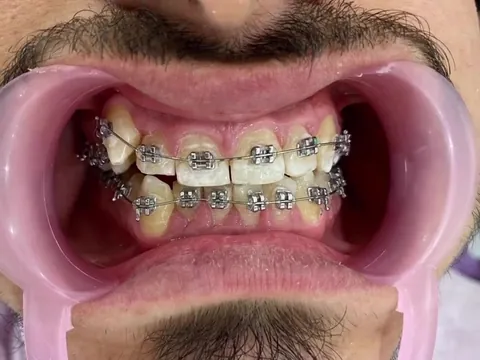
Braces in Erbil: a complete guide for teens and adults
Metal, ceramic or clear aligners? How treatment works, how long it can take and what daily life with braces is like.
Read more