
Dental implants: the step-by-step guide
What an implant is, who it suits, every stage from placement to crown and how to look after it for many years.
1 min read · 17 October 2026
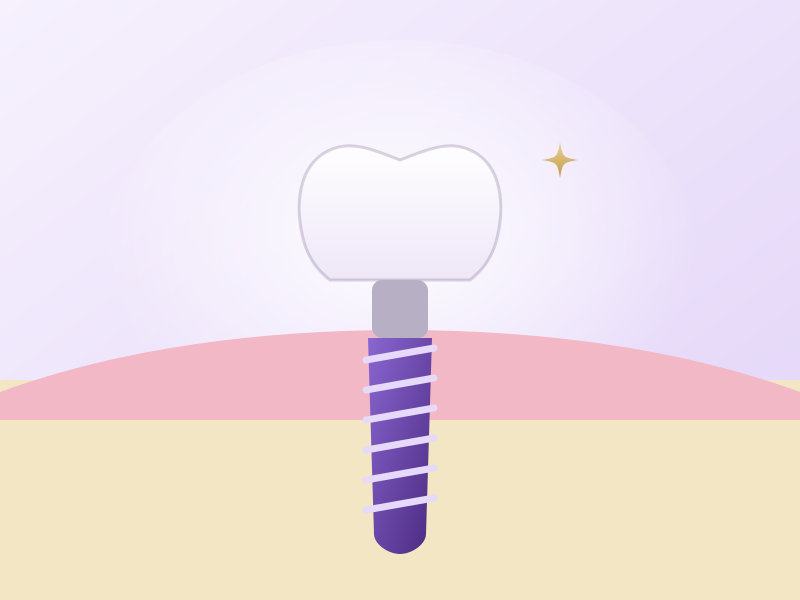
A dental implant is a small titanium post that replaces the root of a missing tooth. Once the bone has bonded to it, a crown is fixed on top. It looks, feels and works much like a natural tooth.
Who is a good candidate?
Most adults with healthy gums and enough bone. Smoking, uncontrolled diabetes and untreated gum disease increase risks, so they are discussed before treatment. Children are not given implants until the jaws stop growing.
The stages
- Assessment — examination and an X-ray or 3D scan to measure the bone.
- Placement — the implant is placed under local anaesthetic.
- Healing — usually a few months while the bone bonds to the implant.
- Connector — an abutment is attached and the gum is shaped.
- Crown — the final tooth is made to match your other teeth.
Does it hurt?
Placement is done under local anaesthetic. Afterwards, swelling and discomfort for a few days are common and usually controlled with ordinary painkillers advised by the dentist.
Looking after an implant
Brush twice a day, clean around the implant with floss or an interdental brush and keep regular check-ups. Implants do not decay, but the gum around them can become inflamed.
Other options
Bridges and dentures are also good solutions in many cases. Compare them in options for a missing tooth.
Watch every stage on an X-ray view in the implant simulator, then read about dental implants at DR. ELAF Dental Clinic.

These articles are for general information and don’t replace advice from your dentist.
Ready when you are
Send a request online or message us on WhatsApp. We’ll confirm a time that suits you.
More tips
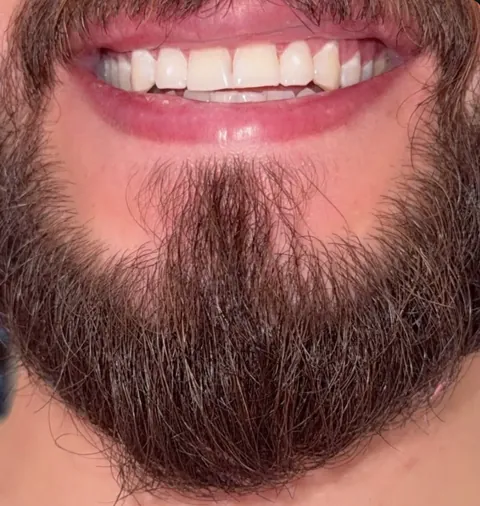
Missing a tooth? Implant, bridge or denture compared
An honest comparison of the three main ways to replace missing teeth — and why leaving a gap is rarely a good idea.
Read more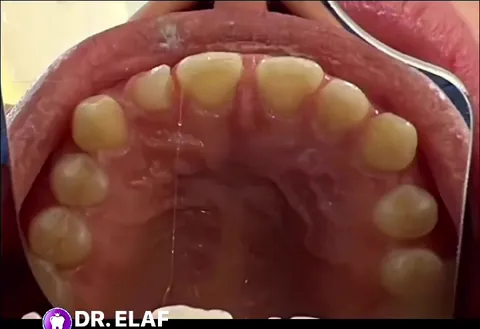
Dental X-rays and OPG: what they show and are they safe?
Why your dentist asks for an X-ray, the difference between a small X-ray and a panoramic OPG, and the radiation dose in plain words.
Read more
Bleeding gums: causes, what to do and when to worry
Bleeding when you brush is the most common sign of gum disease. The good news: it is usually reversible.
Read more