
Missing a tooth? Implant, bridge or denture compared
An honest comparison of the three main ways to replace missing teeth — and why leaving a gap is rarely a good idea.
1 min read · 16 October 2026

Losing a tooth affects chewing, speaking and confidence. Over time the neighbouring teeth can tilt into the gap and the opposite tooth can grow longer. Here are the main options.
1. Dental implant
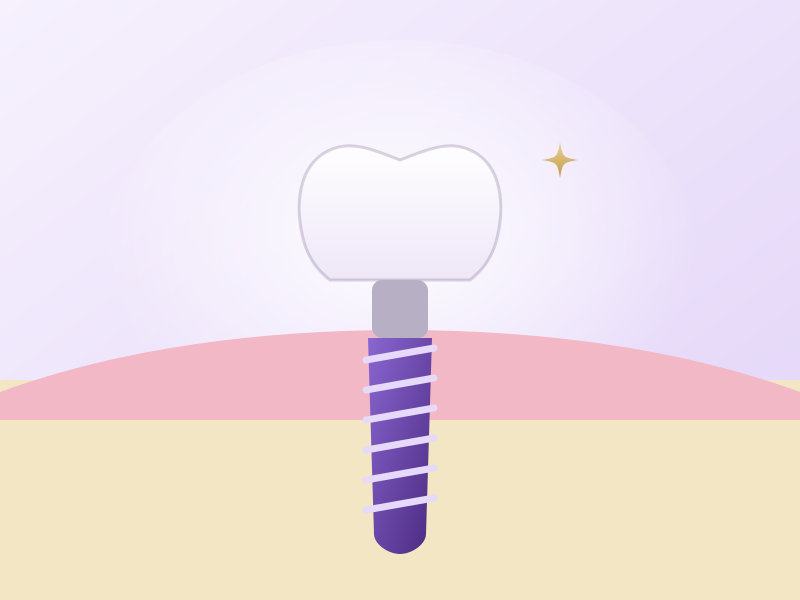
A titanium root with a crown on top. It stands alone and does not need the neighbouring teeth. It needs enough bone and a few months of healing. See the implant guide.
2. Fixed bridge
A false tooth held by crowns on the teeth either side. It is fixed and usually quicker than an implant, but the neighbouring teeth have to be shaped. It is a good choice when those teeth already need crowns.
3. Removable denture
A partial or full denture replaces one or many teeth and can be taken out to clean. It is the simplest option, though it may feel bulkier and needs adjustments over time. Implants can also be used to hold a denture more firmly.
How to decide
- The health of the neighbouring teeth.
- The amount of bone, shown on an X-ray.
- Your general health and smoking.
- Whether it is a front or back tooth.
- Your preference and budget.
What if I leave the gap?
Sometimes nothing happens for years, but often teeth drift, the bite changes and the bone shrinks — making later treatment more complex. If braces are planned, the gap may be closed or prepared — see adult orthodontics.
Try the implant simulator and choose how many teeth are missing, or book a consultation.

These articles are for general information and don’t replace advice from your dentist.
Ready when you are
Send a request online or message us on WhatsApp. We’ll confirm a time that suits you.
More tips
Dental implants: the step-by-step guide
What an implant is, who it suits, every stage from placement to crown and how to look after it for many years.
Read more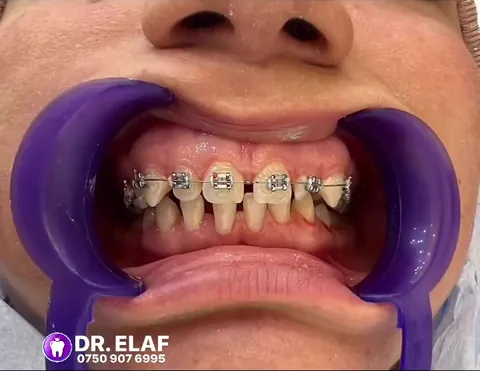
Braces for adults: is it too late to straighten my teeth?
It is not too late. What is different for adults, which options are discreet and what to check first.
Read more
Root canal treatment: is it as painful as people say?
Modern root canal treatment is done under local anaesthetic and relieves pain. What happens, step by step.
Read more