
Professional teeth cleaning and scaling: what happens and how often
Why brushing cannot remove tartar, what happens during scaling and polishing, whether it hurts or damages enamel, and how often you need a cleaning.
1 min read · 29 October 2026

Even with good brushing, plaque that stays on the teeth hardens into tartar (calculus) within days. Tartar is rough, holds bacteria against the gums and cannot be removed with a toothbrush. A professional cleaning — scaling and polishing — removes it.
What happens during a cleaning?
- Check — gums and teeth are examined for bleeding, pockets and decay.
- Scaling — an ultrasonic scaler and fine hand tools remove tartar above and just below the gum line.
- Polishing — removes surface stains from tea, coffee and smoking.
- Advice — how to brush and floss the areas you miss, and fluoride if needed.
Does it hurt or damage the enamel?
No. Scaling removes deposits, not enamel. Most people feel only vibration and water. If gums are inflamed, they may bleed and feel tender for a day; sensitive areas can be numbed. Teeth may feel “loose” or have small gaps afterwards — that is the space the tartar was filling, and healthy gums tighten again.
How often?
Every 6 months suits most people. Smokers, people with diabetes, braces or a history of gum disease may need every 3–4 months.
Warning signs not to ignore
Bleeding gums, bad breath, receding gums or teeth that move are signs of gum disease, which is linked to diabetes and heart health (read gums and general health).
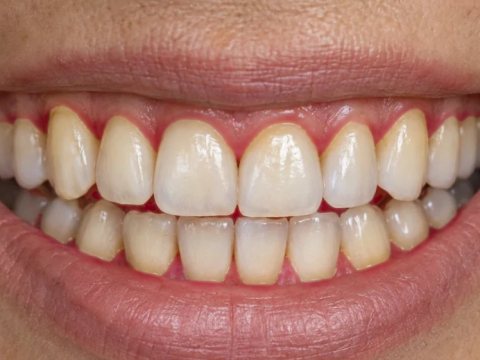
See how healthy and inflamed gums look on a real smile in the gum health simulator, and book a cleaning at DR. ELAF Dental Clinic in Dream City, Erbil.
These articles are for general information and don’t replace advice from your dentist.
Ready when you are
Send a request online or message us on WhatsApp. We’ll confirm a time that suits you.
More tips
Bleeding gums: causes, what to do and when to worry
Bleeding when you brush is the most common sign of gum disease. The good news: it is usually reversible.
Read more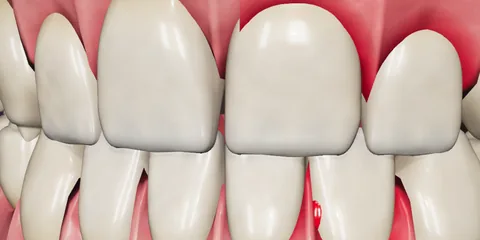
Gum disease and your whole body: diabetes, heart and pregnancy
Bleeding gums are not only a mouth problem. What research says about gum disease and general health — and why treatment helps.
Read more
Bad breath: the real causes and how to fix them
Most bad breath starts in the mouth. Simple steps to fix it — and signs that you should see a dentist.
Read more