
Which mouthwash should I use? A simple guide
Fluoride, chlorhexidine, alcohol-free… what each mouthwash does, when it helps and when it is not needed at all.
1 min read · 21 October 2026
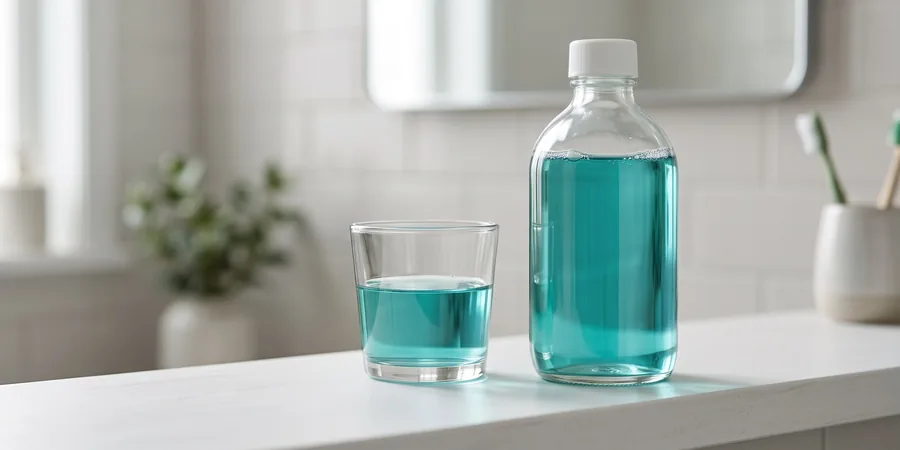
Supermarket shelves are full of mouthwashes that promise fresh breath and white teeth. The truth is simple: mouthwash does not replace brushing and cleaning between the teeth. But the right one, used correctly, can help in some situations.
Fluoride mouthwash — against decay
Useful for people with many cavities, braces or dry mouth. Use it at a different time from brushing (for example after lunch), because rinsing right after brushing washes away the fluoride from your toothpaste.
Chlorhexidine — a short-term medicine
A strong antibacterial rinse that dentists recommend for short periods, for example after gum treatment or surgery. Used for weeks it can stain teeth brown and change taste, so use it only as advised.
Alcohol-free rinses
Alcohol can sting and dry the mouth. If you have a dry mouth, sensitive gums or mouth ulcers, choose an alcohol-free product.
“Whitening” mouthwashes
They can remove a little surface stain, but they cannot change the tooth colour like professional whitening. See what is realistic in our whitening simulator.
For bad breath
Mouthwash covers bad breath for a short time. The real causes are usually the tongue, gum disease or a cavity — read causes of bad breath. Cleaning the tongue every day works better than any rinse.
Children
Children under six should not use mouthwash because they may swallow it. Older children should use it only if the dentist recommends it.
Not sure what you need? Ask at your next check-up at DR. ELAF Dental Clinic in Erbil — book here.
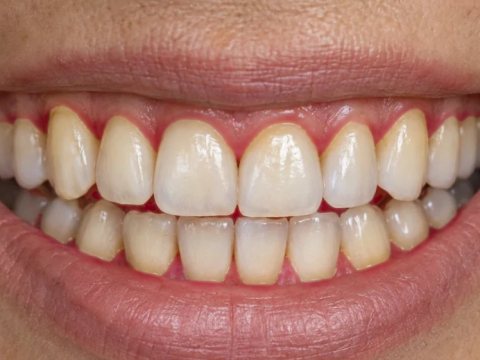
These articles are for general information and don’t replace advice from your dentist.
Ready when you are
Send a request online or message us on WhatsApp. We’ll confirm a time that suits you.
More tips
A simple daily routine for healthy teeth
Five habits that do most of the work — and take only a few minutes a day.
Read more
Bad breath: the real causes and how to fix them
Most bad breath starts in the mouth. Simple steps to fix it — and signs that you should see a dentist.
Read more
Electric or manual toothbrush: which cleans better?
What the research says, who benefits most from an electric brush, and the technique that matters more than the brush.
Read more