
Electric or manual toothbrush: which cleans better?
What the research says, who benefits most from an electric brush, and the technique that matters more than the brush.
1 min read · 20 October 2026
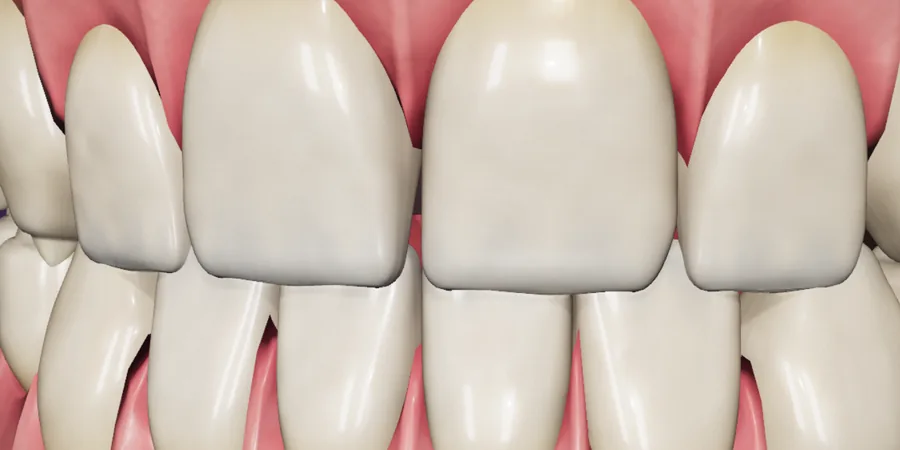
It is one of the questions dentists hear most: is an electric toothbrush worth it? Both can clean well — but there are real differences.
What the research says
A large review of studies by the Cochrane Collaboration (2014) found that powered toothbrushes removed about a fifth more plaque and reduced gum inflammation more than manual brushes after three months. Brushes with a small round head that rotates back and forth did especially well.
Who benefits most from an electric brush?
- People with braces, where cleaning around brackets is harder
- Children and teenagers who brush too quickly
- Older adults or anyone with arthritis or weak hands
- People who press too hard — many electric brushes have a pressure warning
A manual brush can still be excellent
With good technique, a soft manual brush cleans very well and costs little. What matters most:
- Two minutes, twice a day — the last time before sleep
- Soft bristles, brush angled 45° toward the gum line
- Small, gentle movements; no hard scrubbing
- Fluoride toothpaste; spit, do not rinse with lots of water
- A new brush or brush head every three months
Between the teeth
No toothbrush reaches between the teeth. Floss or interdental brushes once a day finish the job.
Test your technique in our free brushing game Brush Hero — a disclosing dye shows exactly where plaque hides. Then book a professional cleaning at DR. ELAF Dental Clinic in Dream City, Erbil.
These articles are for general information and don’t replace advice from your dentist.
Ready when you are
Send a request online or message us on WhatsApp. We’ll confirm a time that suits you.
More tips
A simple daily routine for healthy teeth
Five habits that do most of the work — and take only a few minutes a day.
Read more
Why are my teeth sensitive?
Common causes of that sharp feeling with cold drinks — and what can help.
Read more
What stains teeth — and how to keep them brighter
Coffee, tea and smoking are the usual suspects. Small habits make a big difference.
Read more