
Teeth grinding and clenching (bruxism): signs and solutions
Worn edges, morning jaw pain or headaches can be signs of grinding. Why it happens and how to protect your teeth.
1 min read · 7 October 2026

Many people grind or clench their teeth, often during sleep, without knowing. Over time it can wear and crack teeth and damage fillings and veneers.
Signs to look for
- Flat, worn or chipped tooth edges.
- Jaw pain or tiredness in the morning.
- Headaches near the temples.
- Sensitive teeth.
- A partner hears grinding at night.
Common causes
Stress, sleep problems, a high caffeine intake, smoking and sometimes the bite. In children, grinding is common and often stops on its own.
What helps
- A night guard made by the dentist protects teeth from wear.
- Noticing daytime clenching — teeth should be apart when relaxed.
- Less coffee and energy drinks, especially in the evening.
- Relaxation before sleep.
- Repairing worn or cracked teeth early.
Grinding and cosmetic treatment
If you grind, veneers and crowns can chip. Tell the dentist before veneers so a night guard can be part of the plan.
Answer the grinding question in the smile design or sensitivity simulators.

These articles are for general information and don’t replace advice from your dentist.
Ready when you are
Send a request online or message us on WhatsApp. We’ll confirm a time that suits you.
More tips
Why are my teeth sensitive?
Common causes of that sharp feeling with cold drinks — and what can help.
Read more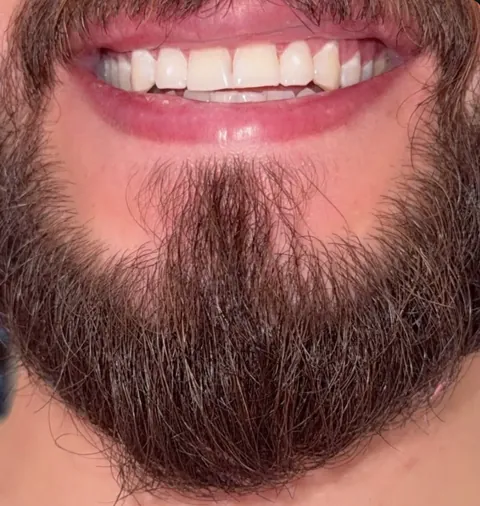
Veneers or whitening? Choosing the right smile treatment
When whitening is enough, when veneers make sense and the questions to ask before you change your teeth permanently.
Read more
The “Hollywood smile”: what you should know first
Very white, identical teeth are popular on social media. Here is what is involved and how to get a natural-looking result.
Read more